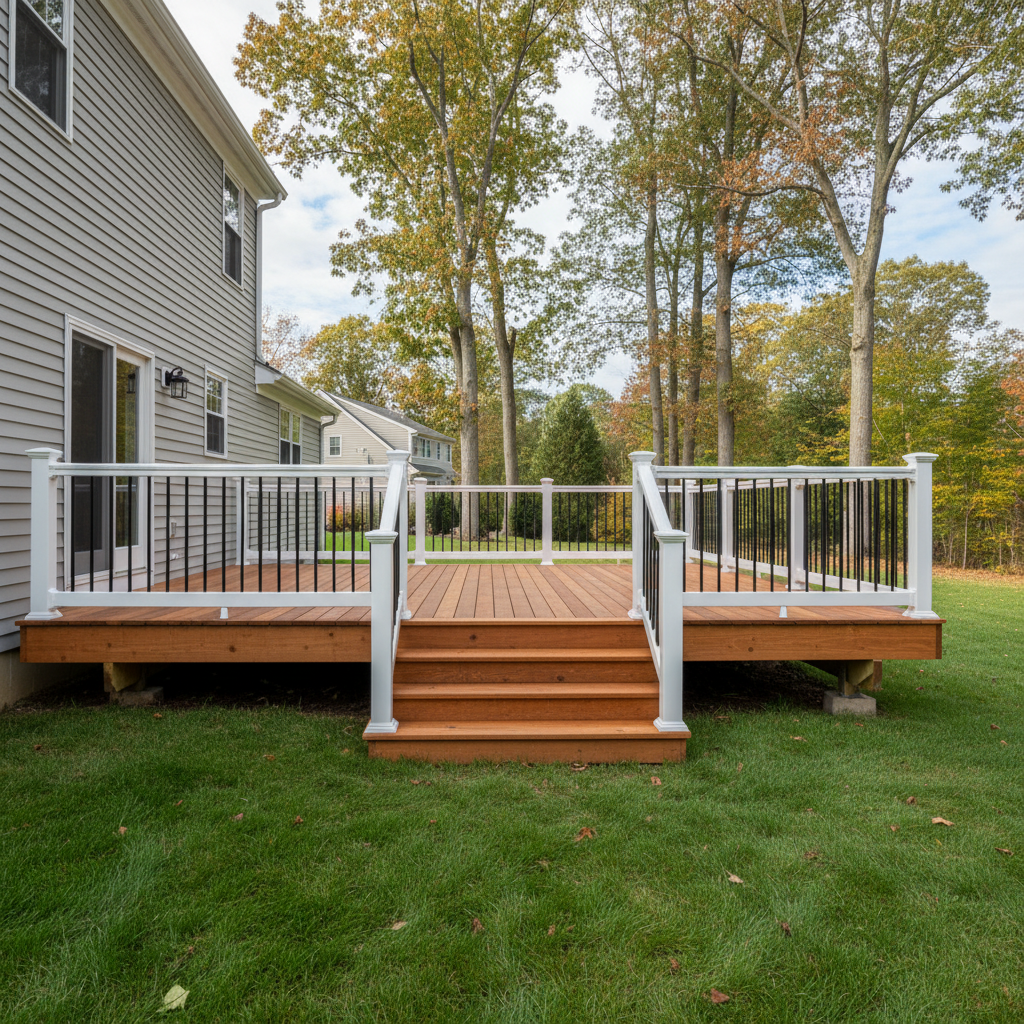
You've got a deck, and you want it to last. That's smart. But living here in North Attleborough, you know our weather isn't always kind to outdoor structures. From those brutal winter freezes to the humid summer days, your deck really takes a beating. So, when's the best time to think about repairs, and what should you be looking out for?
Understanding Our Local Weather & Your Deck
Our climate really dictates when you should be doing what. I've seen it all, from decks that barely make it a few years because they weren't cared for, to ones that look great decades later. A lot of it comes down to understanding how our specific conditions impact the wood, fasteners, and finish.
Take our winters, for example. We get those deep freezes that can cause wood to expand and contract significantly. This movement can loosen fasteners, crack boards, and even lift railings if things aren't secured properly. Then there's the spring thaw, bringing a lot of moisture. If your deck isn't sealed right, that water soaks in, leading to rot and mildew. And let's not forget the summer sun, which can bake and dry out wood, causing it to splinter and fade.
I've worked on plenty of decks in neighborhoods like the one around Falls Pond, where being close to water can mean even more humidity. That definitely accelerates some of these issues if you're not on top of maintenance.
When to Schedule Deck Repairs: Timing is Everything
So, when's the sweet spot for getting work done? Honestly, it depends on the type of repair, but generally, I tell folks to aim for spring or early fall.
- Spring (April-May): This is prime time. The worst of winter is behind us, and the weather is usually mild enough for most repairs. It's a great time to assess any winter damage, replace rotted boards, tighten loose railings, or address any structural issues. Plus, if you're planning on staining or sealing, the temperatures are usually perfect for proper curing before the intense summer heat hits.
- Summer (June-August): You can still do repairs in the summer, but you'll want to avoid the hottest, most humid days, especially for staining or painting. High humidity can mess with drying times, and extreme heat can cause finishes to dry too quickly, leading to poor adhesion. For structural work or replacing boards, summer's fine, but plan your day to avoid the midday sun.
- Fall (September-October): Another excellent window. The cooler, drier air is ideal for most deck work. It's your last chance to get things buttoned up before winter. If you didn't get to sealing in the spring, doing it now will protect your deck through the upcoming cold and wet months.
- Winter (November-March): I generally advise against major deck repairs in winter unless it's an emergency. The cold temperatures make wood brittle, and working with frozen materials isn't ideal. Plus, many sealants and stains require specific temperature ranges to cure properly, and you just won't get that consistently in a North Attleborough winter.
Protecting Your Investment Year-Round
Beyond scheduling repairs, year-round protection is key. Here's what I recommend:
First, keep it clean. Regular sweeping to remove leaves and debris prevents moisture from getting trapped against the wood. A good wash with a deck cleaner every year or two can remove mold, mildew, and grime. Just make sure you're using a product safe for your deck material and follow the instructions carefully.
Second, inspect regularly. Don't wait for something to break. Walk your deck a few times a year. Look for loose screws, splintering wood, wobbly railings, or any signs of rot. Catching small problems early prevents them from becoming big, expensive ones. Pay close attention to areas that get a lot of sun or rain, or where furniture sits.
Third, maintain your finish. Whether it's paint, stain, or sealant, it's your deck's first line of defense. Reapply it as recommended by the manufacturer, usually every 1-3 years depending on the product and exposure. This isn't just about looks; it's about protecting the wood from moisture and UV damage.
Lastly, think about proper drainage. Make sure water isn't pooling on or around your deck. If your gutters are overflowing onto your deck, or if the ground around it isn't sloped away, you're setting yourself up for problems. Good drainage is crucial for preventing rot.
Taking these steps and timing your repairs right will help your deck stand up to our New England weather for years to come. If you're unsure about a repair or need a hand, don't hesitate to reach out to a local pro like us at Oasis Deck Company. We're always happy to take a look and give you an honest assessment.